Case Study: Organizational Design & Collaboration Transformation
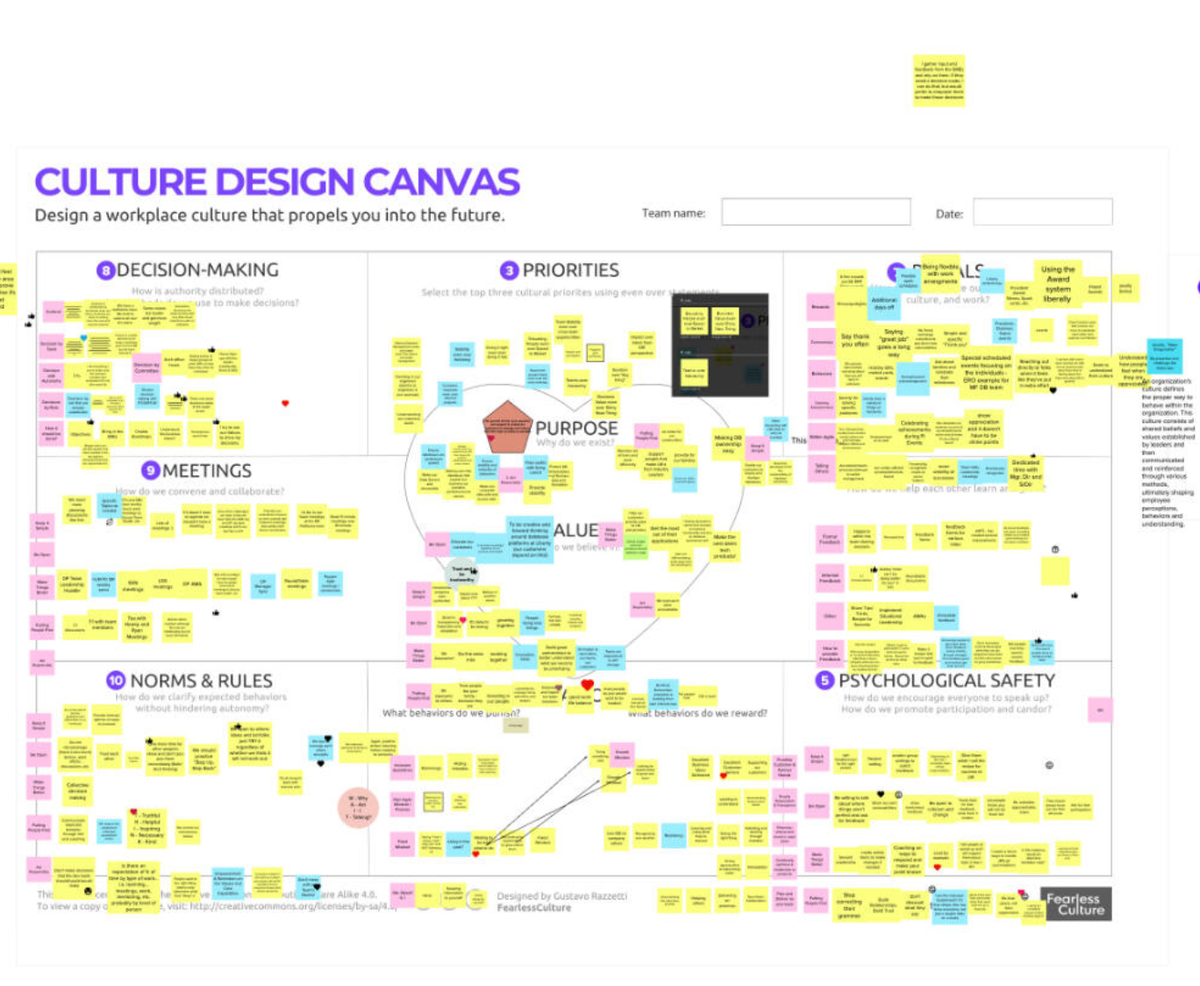
Helping Teams Move from Fragmented Structures to Shared Capability-Based Collaboration
The Challenge
A large organization was experiencing increasing communication fragmentation and collaboration challenges across teams and departments.
As organizational complexity increased, several interconnected issues began to emerge:
- siloed communication between functional groups
- unclear ownership and overlapping responsibilities
- limited visibility across teams
- duplicated efforts
- and difficulty aligning around shared organizational priorities
Existing structures emphasized departmental boundaries more than collaborative capabilities, making it difficult for teams to adapt fluidly to evolving organizational needs.
The organization needed a way to:
- improve cross-functional collaboration
- increase organizational visibility
- and create more adaptive ways of working without introducing unnecessary rigidity
The Approach: Organizational Sensemaking Through Collaborative Design
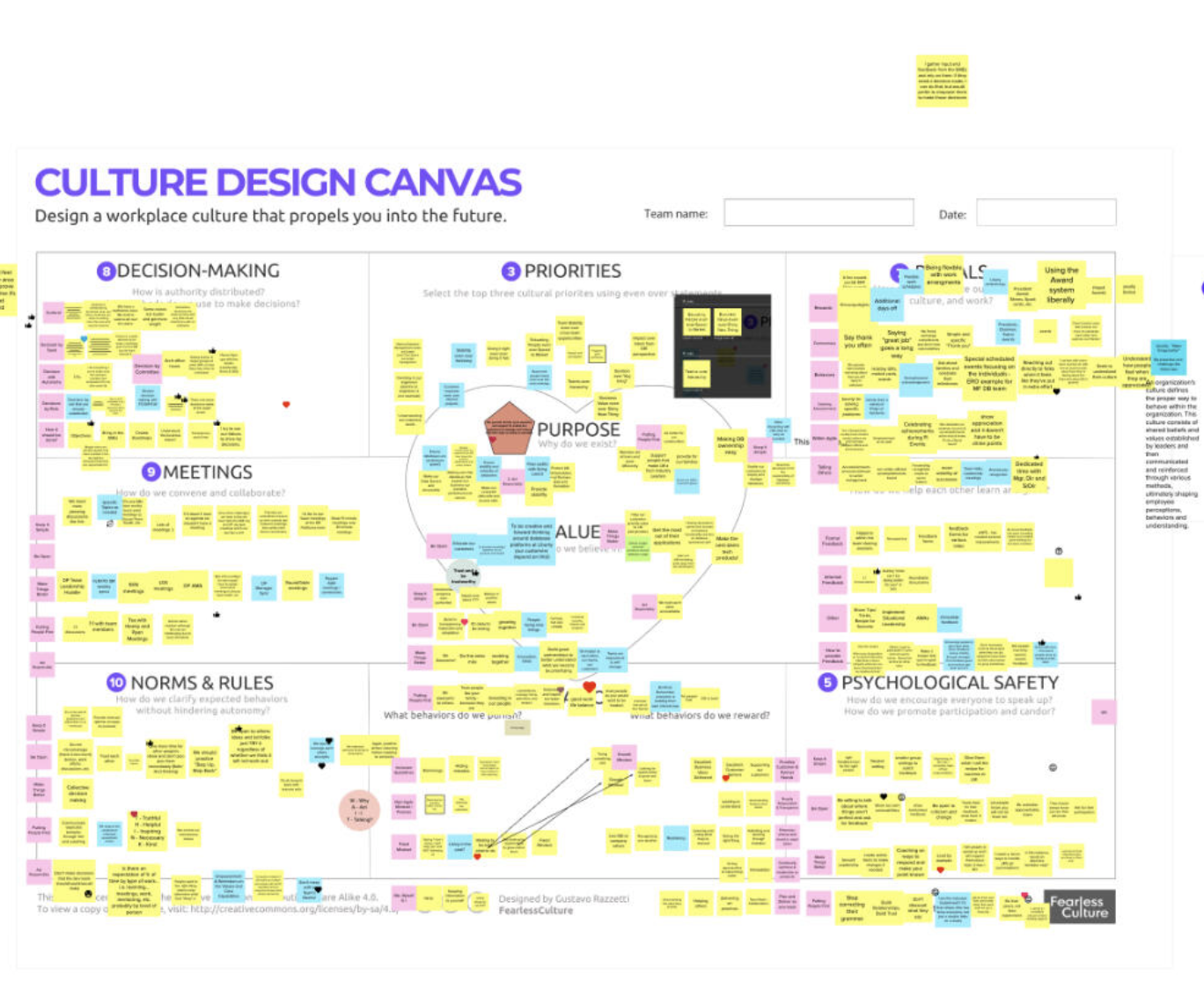
Rather than treating the problem purely as a structural reorganization effort, the work focused on helping the organization collaboratively understand how communication, responsibilities, workflows, and capabilities interacted across the broader system.
The initiative combined:
- systems thinking
- facilitation
- organizational design
- collaborative mapping
- and visual sensemaking
The goal was not simply to redesign reporting structures, but to create shared understanding around how work moved through the organization and where collaboration breakdowns were occurring.
By making invisible systems visible, teams were able to better understand:
- dependencies
- communication patterns
- friction points
- and opportunities for more adaptive collaboration
Organizational Context & Complexity
The organization operated across multiple interconnected functions with differing priorities, perspectives, and operational needs.
As the organization evolved, communication structures that once worked informally began struggling under increased complexity.
Some of the core tensions included:
- balancing specialization with cross-functional collaboration
- maintaining clarity without creating excessive bureaucracy
- reducing duplicated work across teams
- and improving visibility without slowing execution
The challenge was both structural and relational.
Teams often lacked shared visibility into:
- how decisions were made
- where responsibilities overlapped
- and how their work impacted adjacent groups
This created friction, inefficiencies, and missed opportunities for collaboration.
The Process
Phase 1: Discovery & Systems Mapping
The work began with collaborative discovery sessions designed to better understand:
- communication flows
- operational pain points
- role ambiguity
- and collaboration challenges across teams
Facilitated conversations and mapping exercises helped surface:
- hidden dependencies
- duplicated efforts
- organizational bottlenecks
- and disconnected workflows
Visual systems mapping became an important part of the process, helping teams collectively externalize complexity that previously existed only in fragmented mental models.
Phase 2: Collaborative Organizational Design
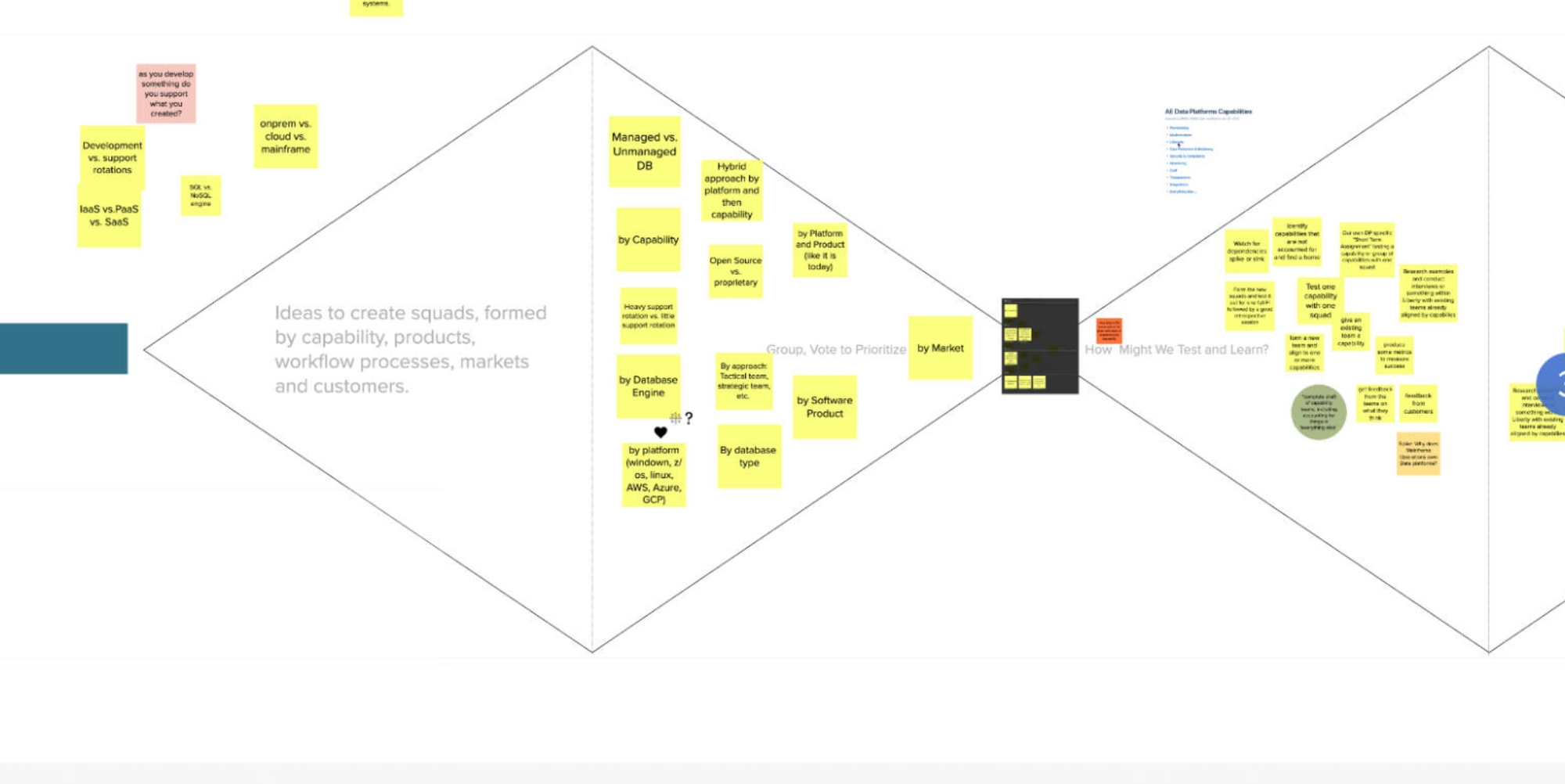
Using insights gathered during discovery, teams participated in facilitated design conversations focused on:
- capability alignment
- collaboration structures
- shared ownership
- and communication visibility
Rather than designing in isolation, the process emphasized participatory sensemaking and collaborative problem solving.
This helped stakeholders:
- align around shared challenges
- understand organizational interdependencies
- and co-create more adaptive approaches to collaboration
Phase 3: Facilitation & Alignment
Facilitated workshops supported:
- leadership alignment
- cross-functional dialogue
- systems awareness
- and organizational communication
The process intentionally created space for:
- reflection
- experimentation
- and iterative adaptation
Rather than forcing immediate rigid solutions, the work focused on building collaborative capacity and organizational awareness that could continue evolving over time.
The Results
Organizational Outcomes
The initiative contributed to:
- improved cross-functional visibility
- reduced communication fragmentation
- clearer understanding of organizational dependencies
- and stronger collaboration across teams
Participants gained:
- greater awareness of how work moved through the organization
- improved understanding of adjacent team responsibilities
- and increased ability to coordinate collaboratively across functional boundaries
Transformation Outcomes
The work also supported:
- capability-based thinking rather than purely department-based thinking
- more adaptive collaborative structures
- leadership alignment conversations
- and shared organizational language around collaboration and systems awareness
Visual frameworks and facilitation artifacts created during the process became ongoing tools for organizational communication and sensemaking.
Chad provided excellent guidance and leadership around coordinating and facilitating organizational design effort for [Department].
- Director of Engineering, [Department]
Key Insights: Organizational Complexity Requires Shared Visibility
This work reinforced a central organizational insight:
Many collaboration problems are not caused by lack of effort or expertise, but by fragmented visibility across complex systems.
As organizations grow, communication challenges often emerge because:
- dependencies become less visible
- workflows become disconnected
- and teams lose shared understanding of how their work intersects
Creating opportunities for collaborative sensemaking helped transform organizational complexity from something hidden and frustrating into something visible and navigable.
Complexity as a Collaborative Design Challenge
This case study demonstrates how organizational design becomes more effective when approached as a collaborative systems challenge rather than a purely structural exercise.
By combining:
- facilitation
- systems thinking
- visual communication
- and participatory design
the organization was able to strengthen collaboration while maintaining adaptability and responsiveness.
The process focused not on eliminating complexity, but on helping people navigate complexity together more effectively.
Applications for Organizations
This approach is particularly valuable for organizations navigating:
- rapid growth
- cross-functional collaboration challenges
- organizational redesign
- communication fragmentation
- capability alignment
- and transformation initiatives requiring shared visibility and adaptive coordination
The initiative demonstrates how collaborative facilitation and systems-oriented organizational design can help teams move from fragmented structures toward more connected, adaptive, and human-centered ways of working.